.png)
How Resellers Can Use Keywords to Get More Views and Sales
Every reseller has had a listing that should have sold faster. You find a good item. The brand is strong, the condition is good, the price feels fair, and the photos are decent. You upload it to Vinted, eBay, Depop or Etsy, then wait for the views, favourites and offers to come in.
But sometimes, nothing happens. That does not always mean the item is bad. Very often, the problem is simpler: buyers are not finding it.
Most second-hand marketplaces work through search. Buyers type in what they want, filter by size, brand, colour or category, and scroll through the results that appear. They are not usually searching for “nice coat” or “cute top”. They are searching for things like “Barbour wax jacket size 12”, “Levi’s 501 jeans W30”, “COS wool coat”, “Dr. Martens platform boots”, or “vintage leather bomber jacket”. If your listing does not include the words buyers are using, it has a much smaller chance of showing up in front of the right people. This is where keywords and SEO become important for resellers.

SEO simply means making your listings easier to find in search. For resellers, this is not about complicated marketing tactics. It is about describing your items clearly, using the words buyers actually type into marketplace search bars, and giving each platform enough information to understand what you are selling. A good listing does not just look good. It needs to be searchable.
Why Keywords Matter on Resale Platforms
When a buyer searches for an item, the marketplace has to decide which listings to show first. Different platforms use different systems, but most of them look at similar information: the title, category, brand, item specifics, description, tags, photos, price and sometimes seller performance.
That means your words matter. A listing called “Lovely jacket” gives the platform very little to work with. A listing called “Barbour Olive Wax Jacket UK 12” is much stronger because it includes the brand, colour, material style, item type and size. It can appear in searches for “Barbour jacket”, “wax jacket”, “olive jacket”, “Barbour UK 12” and similar terms.
The same applies to almost every category. “Dress” is too broad. “Rixo floral midi dress size 10” is much more useful. “Trainers” is vague. “Adidas Samba white leather trainers UK 5” is specific. “Jeans” could mean anything. “Levi’s 501 straight leg jeans W30 L32” tells the buyer exactly what they are looking at. Good keyword use can help increase views, bring in more relevant buyers, reduce questions and give older listings a better chance of being discovered. It will not make an unwanted item sell overnight, but it can make a strong item much easier to find.
For resellers who list regularly, this matters. A small improvement in every title and description can make your whole inventory work harder.
What Counts as a Keyword?
A keyword is any word or phrase a buyer might use to search for your item. In reselling, the most important keywords usually describe the brand, item type, size, colour, material, fit, style, condition, era or product model. For example, if you are selling a pair of Dr. Martens boots, the buyer might search for “Dr. Martens”, “black leather boots”, “platform boots”, “Jadon boots” or “UK 6 boots”. A strong listing should include the most relevant of those words naturally.
For fashion resellers, useful keywords often include brand names like Barbour, COS, Levi’s, Nike, Ganni, Reiss, Patagonia, Carhartt, Dr. Martens, Lululemon or Ralph Lauren. They can also include product types such as trench coat, puffer jacket, midi dress, straight-leg jeans, cable knit jumper, ankle boots or crossbody bag.
Colour and material are also important. A “coat” sounds basic. A “camel wool coat” immediately feels more specific and valuable. A “jumper” is broad. A “cashmere jumper” or “wool cable knit jumper” gives the buyer much more information. Materials like wool, cashmere, silk, linen, leather, suede, denim, cotton, corduroy and down are all worth including when they are accurate.
Style keywords are especially useful for vintage, streetwear and trend-led items. Words like vintage, 90s, Y2K, minimalist, cottagecore, gorpcore, workwear, preppy, boho, grunge, oversized, cropped or tailored can help buyers find the item by aesthetic. But these words need to be used carefully. Adding every trend into one listing makes it look spammy and confusing. A simple, accurate description will usually perform better than a title full of random buzzwords.
If the item has a known model name, that can be one of your strongest keywords. Buyers often search for exact models, especially with trainers, activewear, bags and popular fashion pieces. “Levi’s 501”, “Adidas Samba”, “Lululemon Align”, “Dr. Martens Jadon”, “Longchamp Le Pliage” and “Barbour Beadnell” are much stronger than generic descriptions alone.
How to Write a Strong Listing Title
The title is one of the most important parts of your listing because it is often the first thing both the buyer and the platform read. A good reseller title should be clear, specific and searchable. It does not need to be clever. In fact, overly creative titles usually perform worse because buyers are not searching for emotional phrases like “must-have”, “stunning”, “beautiful” or “perfect for summer”.
A simple title formula is: Brand + colour + material or style + item type + size. For example, instead of writing “Nice coat”, you could write “COS Black Wool Blend Long Coat Size M”. Instead of “Vintage jacket”, you could write “Vintage 90s Brown Leather Bomber Jacket”. Instead of “Trainers”, you could write “Adidas Samba White Leather Trainers UK 5”. This kind of title gives buyers information quickly. It also gives the marketplace more chances to match your listing with different searches.
For unbranded vintage items, you can replace the brand with the era or style. A no-name vintage piece can still be very searchable if the title explains it well. “Vintage 90s Black Leather Oversized Blazer Size M” is much stronger than “Cool vintage blazer”.
For denim, include the fit and measurements if you know them. “Levi’s 501 Blue Straight Leg Jeans W30 L32” tells the buyer far more than “Levi’s jeans”. For shoes, include the brand, model, colour and size. For coats and jackets, include material, length, style and size where possible. The goal is simple: a buyer should understand what the item is before they even click.
Why Descriptions Still Matter
Some resellers put all their effort into the title and then leave the description almost empty. That is a mistake. The description is where you give buyers the confidence to purchase. It also gives you more space to include useful keywords naturally. A good description should explain what the item is, what condition it is in, how it fits, what material it is made from, and anything the buyer needs to know before ordering. It does not need to be long, but it should be complete.
For example: “COS black wool blend long coat in size M. Minimalist tailored style with button front, side pockets and relaxed fit. Great condition with light signs of wear only. Ideal for autumn and winter layering. Please check measurements before buying.” This description works because it sounds natural while still including useful search terms: COS, black, wool blend, long coat, size M, minimalist, tailored, relaxed fit, autumn and winter.
Compare that with: “Lovely coat, worn a few times.” The second version tells the buyer almost nothing. It also misses several keywords that could help the listing appear in search. Descriptions are especially important for vintage, designer, premium high-street, denim, shoes and anything where sizing or condition needs more explanation. If the item has flaws, mention them clearly. A buyer who knows about a small mark before purchasing is much less likely to complain later.
Do Not Skip Item Specifics
On platforms like eBay, item specifics can make a big difference because buyers often use filters. They may filter by size, colour, brand, material, condition, style or department. If you have not filled in those fields, your item may not appear where it should. Many resellers skip item specifics because they feel repetitive. But they are part of the listing’s search information. If you are selling a black wool coat in size 12, that information should not only sit in the description. It should also be added to the structured fields wherever the platform allows it.
The same applies to categories. A dress listed in the wrong category, trainers added under formal shoes, or a wool coat placed in a generic jacket category can all make the item harder to find. Choosing the correct category helps the platform understand your item and helps buyers filter properly. This is not the most exciting part of listing, but it is one of the parts that separates rushed listings from professional ones.
How to Find the Right Keywords
You do not need expensive tools to find better keywords for resale listings. Most of the research can be done directly on the marketplaces you already use. Start with the search bar. Type the beginning of your item and see what the platform suggests. If you type “Barbour wax”, you may see search suggestions like “Barbour wax jacket”, “Barbour wax coat” or “Barbour Beadnell”. These suggestions can show you how buyers are already searching. Sold listings are also useful. Look at similar items that have actually sold, not just active listings. Pay attention to the titles, descriptions, photos, condition notes and prices. You should not copy another seller’s listing, but you can learn which details buyers respond to.
It can also help to search for the original product online. This is especially useful for brands like COS, Reiss, Ganni, Lululemon, Nike, Adidas and Dr. Martens. Sometimes you can find the exact product name, fabric composition, colour name or model. A listing for “black leggings” becomes much stronger if you can identify them as “Lululemon Align High-Rise Leggings”.
The best question to ask is: what would a buyer type if they wanted this exact item? They probably would not search for “beautiful timeless piece”. They would search for “black wool coat”, “oversized blazer”, “brown leather boots”, “vintage denim jacket” or “Ganni floral dress”. Your listing should match that behaviour.
Avoid Keyword Stuffing
Good SEO is not about using as many words as possible. It is about using the right words.
A title like “Vintage Y2K coquette cottagecore fairy grunge festival streetwear clean girl top” is not helpful if most of those words do not actually describe the item. It makes the listing look spammy and can attract the wrong buyers.
The same applies to tags. On platforms like Depop and Etsy, tags can help, but only when they are relevant. If you are selling a real vintage leather jacket, tags like “vintage leather jacket”, “90s jacket” and “brown leather bomber” make sense. If you add unrelated brands or trends just to get views, buyers may lose trust.
The strongest listings are specific, honest and easy to understand. You want to help the right buyer find the right item, not trick the algorithm into showing your listing to people who are not interested.
SEO Looks Different on Every Marketplace
The same item can perform differently depending on where it is listed, because buyers use each platform in a different way. eBay is very search-led. Buyers often know what they want and search by brand, model, size, material or condition. For eBay, clear titles, full item specifics, accurate categories and detailed descriptions are especially important. A title like “Barbour Beadnell Wax Jacket Olive Green UK 12” works well because it is specific and direct.
Vinted is usually faster and more price-sensitive, but keywords still matter. Buyers often search by brand, size and item type. Your title can be simple, but it should still include the core details. “Whistles Black Midi Dress Size 10” is much better than “Black dress”. The description does not need to be long, but it should mention condition, fit and any useful details.
Depop is more visual and trend-led. Buyers often search by aesthetic, era and style as much as by brand. This is where words like Y2K, vintage, grunge, streetwear, oversized, 90s or festival can help, as long as they are accurate. A Depop listing can include more styling language, but it still needs measurements and condition notes.
Etsy is useful for true vintage, handmade, rare and collectible items. Etsy buyers often expect more detail, especially around era, material, measurements and condition. A title like “Vintage 1970s Floral Prairie Dress Cotton Midi Dress Size S” gives much more context than “Vintage dress”. The item may be the same, but the way you write the listing should change slightly depending on the platform.
How to Improve Old Listings
If an item has been sitting for weeks or months, do not immediately reduce the price. First, check whether the listing is actually easy to find.
Look at the title. Is it too vague? Does it include the brand, item type, colour, size and material? Check the category and item specifics. Are they complete? Read the description. Does it give the buyer enough information? Are there measurements? Are the photos clear? Is the condition explained honestly? Sometimes a stale listing does not need a huge discount. It needs a better title.
For example, “Nice jacket” can become “Carhartt Brown Workwear Chore Jacket Size L”. That small change gives the platform and the buyer much more information. Refreshing old listings with better keywords can be a simple way to improve your shop without sourcing more stock. Before buying more items, make sure your existing inventory is searchable.
.png)
Keywords Are Only One Part of Selling
SEO helps buyers find your listings, but it does not replace the basics.
You still need good photos, fair pricing, clear condition notes, accurate measurements, reliable shipping and good customer communication. A keyword-rich listing with dark photos and no measurements may still struggle. A beautiful listing with a vague title may also be missed. The strongest listings combine both: they are easy to find and easy to trust. For resellers, this is important because every listing takes time. You are not just uploading a product. You are creating a small sales page for that item. The better the information, the easier it is for the buyer to decide.
Why Crosslisting Makes Your Keyword Work Go Further
Writing a good listing takes effort. You research the item, choose the right keywords, write the title, add the description, upload photos, complete the details and check the price. If that listing only sits on one marketplace, you are relying on one audience. But the same item may sell faster somewhere else.
A Barbour jacket may get stronger search demand on eBay. A Y2K mesh top may get more attention on Depop. A Boden dress may move quickly on Vinted. A true vintage coat may work better on Etsy. A designer accessory may need a more trust-led platform. Crosslisting gives your item more chances to be found. The challenge is that doing it manually can become messy very quickly. You have to copy titles, descriptions, photos, prices and product details across platforms. Then, when the item sells, you need to remove it everywhere else before it sells twice.
This is where having a proper workflow matters. Zipsale helps UK resellers manage listings across multiple marketplaces from one place. Instead of rebuilding every listing manually, resellers can list faster, keep product information organised and manage stock more easily across platforms.
For SEO, this means the work you put into a strong title and description does not stay trapped on one marketplace. You can adapt it, reuse it and put the item in front of more buyers. A good listing should not just exist. It should be seen.
Try Zipsale Without Starting a Subscription
You can now try Zipsale without committing to a monthly subscription.
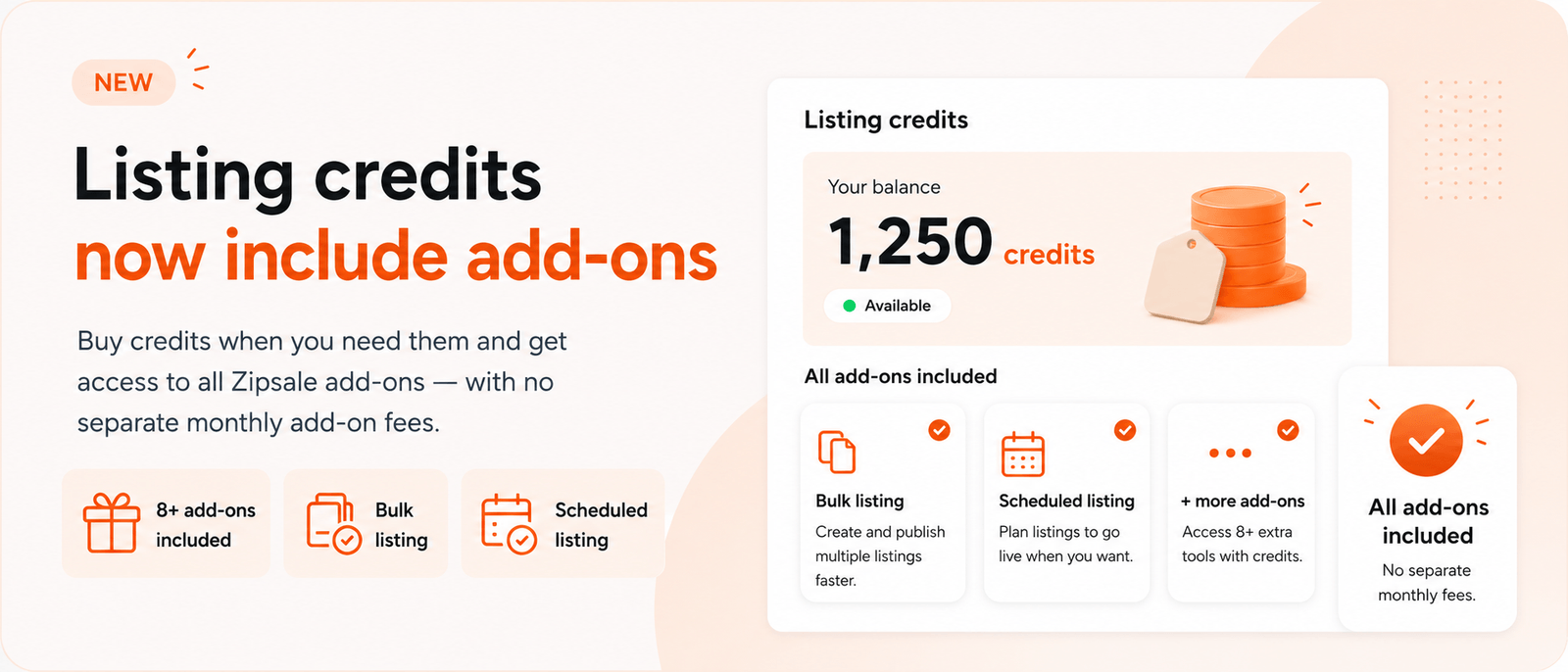
With listing credits, resellers can buy credits only when they need them and use Zipsale more flexibly. This means you can list items, test the platform and access Zipsale add-ons without paying separate monthly add-on fees. Credits now include access to Zipsale add-ons such as bulk listing, scheduled listing and more, so you can speed up your workflow without needing to start a full subscription straight away.
For resellers who want to crosslist, improve their listings and manage stock across multiple marketplaces, this makes Zipsale easier to try - especially if you are not ready for a monthly plan yet. You can start small, use credits when you need them, and see how much time a better listing workflow can save.
Final Thoughts
SEO for resellers is really about clarity. The clearer your listing is, the easier it is for buyers to find it. The easier it is for buyers to understand what you are selling, the more confident they feel. And the more useful information you give the marketplace, the better chance your item has of appearing in the right searches.
You do not need to become an SEO expert to improve your listings. You just need to describe your stock properly. Use the words buyers actually search for. Include the brand, item type, size, colour, material, style and condition. Fill in item specifics. Add measurements. Avoid vague titles and random keyword stuffing. Adjust your listing slightly for each platform. Small changes can make a big difference. Because in reselling, a good item only sells when the right buyer can find it.
FAQ
What does SEO mean for resellers?
SEO stands for search engine optimisation. For resellers, it means improving your listings so buyers can find them more easily when searching on marketplaces like eBay, Vinted, Depop, Etsy and others.
What keywords should resellers use?
The most useful keywords usually include the brand, item type, size, colour, material, style, condition and model name if relevant. For example, “Levi’s 501 straight leg jeans W30” is much stronger than “blue jeans”.
How do I write a good listing title?
A good title should be clear and specific. A simple formula is brand + colour + material or style + item type + size. For example, “COS Black Wool Blend Long Coat Size M” or “Dr. Martens Black Leather Platform Boots UK 6”.
Should I use hashtags on resale platforms?
Hashtags can help on platforms like Depop and Etsy, but they should always be relevant. Avoid adding unrelated brands or trends just to get more views, as this can make your listing look spammy.
Is SEO more important on eBay or Vinted?
SEO matters on both, but eBay is especially search-led, so titles, item specifics and categories are very important. On Vinted, buyers often search by brand, size and item type, so clear titles and descriptions still help.
How can I find better keywords for my listings?
Use marketplace search suggestions, check sold listings, search for the original product name and think about what a buyer would type into the search bar. Sold listings are especially useful because they show what buyers actually purchased.
Can SEO help old listings sell?
Yes. If an item has been sitting for a while, improve the title, category, item specifics, description, measurements and photos before reducing the price. Sometimes the item is not selling because buyers are not finding it.
Does crosslisting help resellers get more sales?
Crosslisting can help because your items are shown to buyers on more than one marketplace. A strong listing with good keywords has more chances to be found when it is listed across the right platforms.
How can Zipsale help with reseller listings?
Zipsale helps resellers manage listings across multiple marketplaces from one place. This makes it easier to list faster, reuse product details, keep stock organised and avoid manually copying the same listing across platforms.
What happens if you add just one more marketplace?
See how much more you could earn by selling on multiple marketplaces.
What happens if you add just one more marketplace?