
How to Research Market Prices for Vintage Fashion
The UK’s vintage fashion market is booming, but pricing unique, single-quantity items can be challenging. Here’s a clear, step-by-step guide on how to research market prices for vintage fashion, tailored for UK-based resellers looking to stay competitive and maximize profits.
Why Market Research Matters for Vintage Sellers
The UK secondhand apparel market is now worth over £7 billion and is projected to grow at a 9.3% CAGR through 2034. With platforms like Vinted, eBay, and Depop leading the way, understanding how to price your vintage items is essential to stand out and sell quickly. As resellers, we know that pricing isn’t just about guessing -it’s about data, trends, and smart tools.
Step 1: Start with Sold Listings
The most reliable way to research market prices for vintage fashion is to look at what similar items have actually sold for. Here’s how:
- eBay: Use the “Sold Listings” filter to see real sale prices for similar vintage items. This gives you a clear benchmark for what buyers are willing to pay.
- Vinted: Browse completed sales to spot trends in brand, style, and condition.
- Depop: Check out top sellers and recently sold items, especially for trending styles like Y2K and streetwear.
Pro Tip: Don’t just look at asking prices — focus on what’s actually selling.
Step 2: Use Pricing Tools and Analytics
Take advantage of marketplace analytics and third-party tools to get deeper insights:
- Terapeak (eBay): Offers historical pricing data, seasonal trends, and demand analysis.
- Depop Price Suggestions: Built-in recommendations based on similar listings.
- Vinted Analytics: Track what’s hot and what’s not in the UK market.
These tools help you avoid underpricing rare pieces or overpricing everyday items. For a comprehensive approach, use crosslisting software like ours at Zipsale to compare performance across multiple platforms.
Step 3: Attend Vintage Events and Kilo Sales
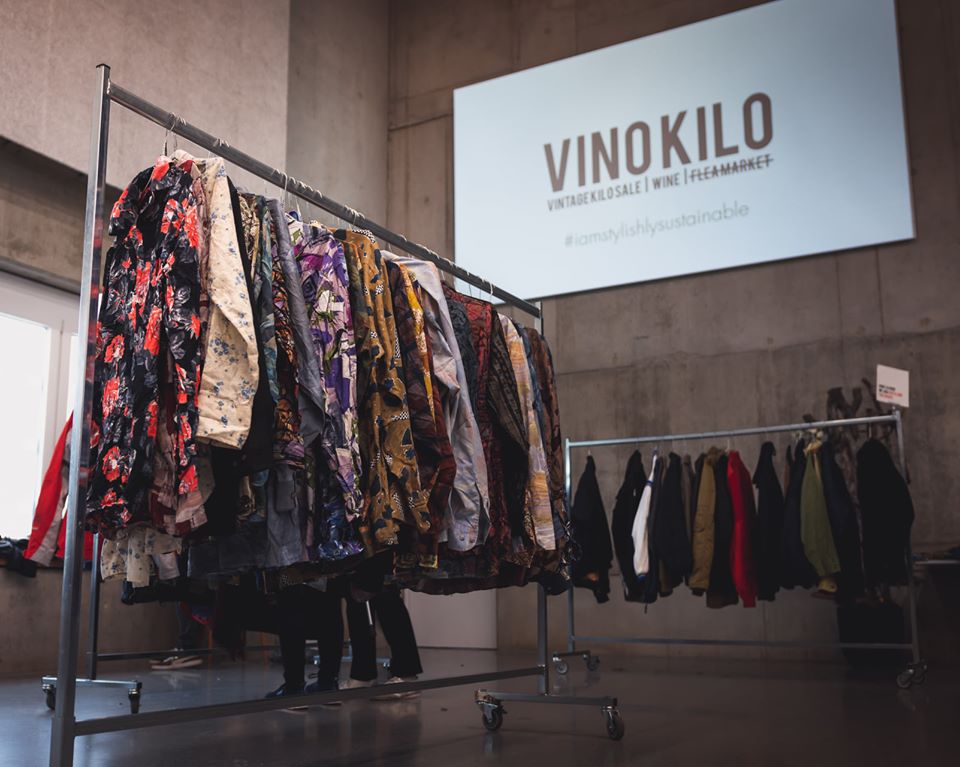
In-person events like Vintage Vinokilo Sales provide a real-world sense of what’s in demand and how bulk pricing works. You’ll see firsthand which brands, eras, and styles are fetching the highest prices.
- Network with other sellers to share insights.
- Observe buyer behavior to spot emerging trends.
Step 4: Factor in Rarity, Condition, and Brand
No two vintage items are exactly alike. When pricing, consider:
- Condition: Mint, gently worn, or distressed? Be honest and detailed.
- Brand: Designer and cult brands can command a premium.
- Era and Style: Certain decades (like 90s or Y2K) are especially popular.
- Rarity: Unique features, provenance, or limited runs add value.
Expert Insight: “Pricing vintage is both an art and a science. Start with marketplace data, but don’t undervalue unique pieces — rarity and provenance can command a premium,” advises a leading UK vintage reseller.
Step 5: Test and Adjust Your Prices
Market volatility and shifting trends mean it’s smart to stay flexible:
- Use “Best Offer” options to gauge buyer interest.
- Crosslist your items to test different markets and price points.
- Monitor seasonal demand — festival season, holidays, and fashion cycles all impact prices.
With Zipsale, you can list your items across up to eight marketplaces at once, track which platforms yield the best prices, and adjust your strategy in real time.
Step 6: Stay Compliant with UK Regulations
As your business grows, compliance becomes crucial:
- Consumer Protection: Provide accurate descriptions and clear returns policies.
- Business Registration: Register as a business if you exceed hobbyist thresholds.
- VAT: Register if your turnover exceeds the VAT threshold.
- Sustainability Regulations: Stay informed about new rules on textile recycling and product traceability, especially for cross-border sales.
For more on UK business regulations, see the UK Government’s guide for online sellers.
Step 7: Leverage Crosslisting and Inventory Management
Managing listings across multiple platforms is time-consuming. Our crosslisting software automates this process, helping you:
- Import and list items on up to eight marketplaces simultaneously.
- Automate delisting to prevent overselling.
- Manage inventory in one place, saving you hours every week.
Efficiency Tip: Our members save up to 40 hours for every 1,000 listings, selling second-hand items up to 3x faster.
Overcoming Common Pricing Challenges
No Direct Comparables for Rare Pieces
- Research similar eras, brands, or styles.
- Reference specialist vintage shops and auction results.
- Highlight unique features and provenance in your listings.
Market Volatility and Shifting Trends
- Stay updated on fashion trends and seasonal demand.
- Use crosslisting to test different markets and price points.
Time Management
- Automate repetitive tasks with crosslisting software.
- Focus on sourcing and customer service, not admin.
Recent Trends and News
- The secondhand market is set to nearly double by 2027, reaching £280 billion globally.
- Digital product passports and sustainability certifications are being piloted to boost consumer trust.
- Major brands are partnering with resale platforms, further legitimizing the vintage market.
For more on the growth of the secondhand market, see ThredUp’s Resale Report.
FAQ: How to Research Market Prices for Vintage Fashion
Q: What’s the best way to find out what my vintage item is worth? A: Start by searching sold listings for similar items on eBay, Vinted, and Depop. Use analytics tools like Terapeak for deeper insights.
Q: How do I price rare or unique vintage pieces? A: Research similar brands, eras, or styles. Reference auction results and specialist shops. Highlight unique features and test pricing with “best offer” options.
Q: How can I keep up with changing trends? A: Follow fashion news, attend vintage events, and monitor marketplace analytics. Crosslisting helps you test different markets quickly.
Q: What regulations should I be aware of as a UK reseller? A: Ensure accurate descriptions, clear returns policies, and proper business registration. Stay updated on VAT and new sustainability regulations.
Q: How does crosslisting help with pricing? A: Crosslisting lets you compare price performance across platforms, reach more buyers, and adjust your strategy based on real-time results.
What happens if you add just one more marketplace?