
How to Update Your Etsy Shop Name in 2026: A Complete Seller’s Guide
Changing your Etsy shop name can be a powerful step in rebranding your business, attracting the right customers, and aligning your store with your long-term goals. Whether you’re pivoting niches, professionalising your brand, or correcting an early naming decision, Etsy allows sellers to update their shop name — as long as you follow the platform’s rules.
This guide is designed for UK-based Etsy sellers, from handmade creators and vintage resellers to side-hustle entrepreneurs scaling toward a full-time business. We’ll walk you through how to change your Etsy shop name, best practices for rebranding, common mistakes to avoid, and how to minimise the impact on SEO and customer trust.
Did you know that a clearer, niche-focused shop name can improve click-through rates and brand recall? Many Etsy sellers start with a temporary name, only to realise later that it no longer fits their product range or growth plans. If that sounds familiar, this article will help you make the change confidently and strategically.
Why You Might Want to Change Your Etsy Shop Name
Your shop name is often the first impression customers have of your brand. Over time, sellers may outgrow their original name or discover it’s holding them back.
Common reasons to change your Etsy shop name include:
- Rebranding or niche changes: Moving from general crafts to a specific product category (e.g. candles → eco home decor).
- Professional growth: Early hobby-style names may not suit a scaling business.
- SEO and clarity: A more descriptive name can help customers instantly understand what you sell.
- Consistency across platforms: Aligning your Etsy name with Instagram, Shopify, or other marketplaces.
- Trademark or compliance concerns: Avoiding conflicts with registered brand names.
For UK sellers, brand clarity also helps meet consumer expectations around transparency and professionalism under distance selling regulations.
Understanding Etsy’s Rules for Shop Name Changes
Before making any changes, it’s important to understand Etsy’s limitations and policies.
- You can change your Etsy shop name up to 5 times.
- Your new name must be 4–20 characters long.
- It cannot include spaces or special characters.
- The name must be unique and not already in use.
- Etsy will display your previous shop name on your profile for a period of time to maintain transparency.
Etsy automatically redirects old shop URLs to the new one, so you won’t lose traffic, but branding consistency still matters.
How to Change Your Etsy Shop Name (Step by Step)
Changing your shop name is quick and can be done directly from your Etsy dashboard.
Step 1: Log into Etsy Shop Manager
Go to Shop Manager → Settings → Info & Appearance.
Step 2: Edit Your Shop Name
Under the “Shop Name” section, click Change and enter your new desired name.
Step 3: Check Availability
Etsy will confirm whether the name is available. If not, you’ll need to adjust it.
Step 4: Save Changes
Once confirmed, save your changes. Your new name will update immediately.
That’s it — technically simple, but the real work lies in preparing your brand for the change.
Preparing for a Successful Rebrand
A shop name change affects more than just Etsy — it impacts your entire online presence.
Before switching names, consider:
- Updating social media handles (or choosing a name that already matches).
- Checking domain availability if you plan to build a website.
- Informing repeat customers through announcements or order messages.
- Updating logos, banners, and product mockups.
UK sellers should also ensure that any branding claims remain accurate to avoid misleading customers under consumer protection laws.
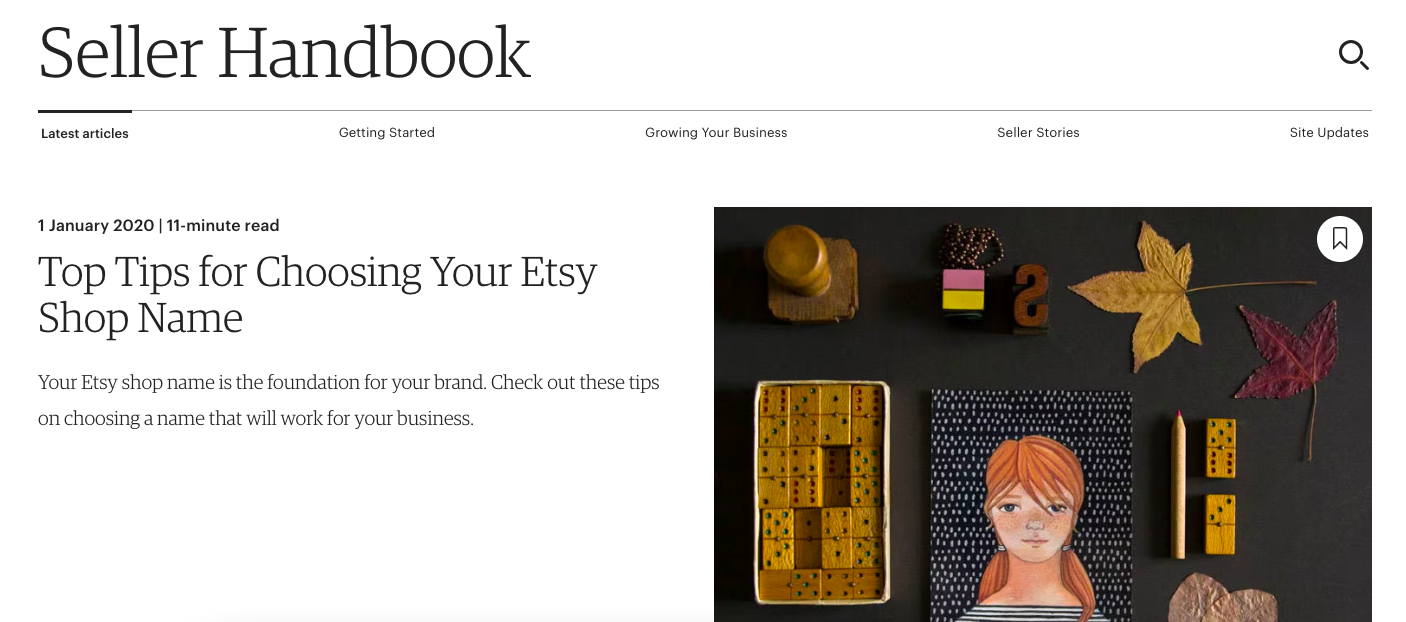
Here you can read top tips from Etsy about choosing the right name.
Protecting SEO and Sales During the Transition
One of the biggest fears sellers have is losing search visibility. The good news? Etsy listings keep their ranking history — but your shop name still plays a role in branding and trust.
SEO best practices when changing your shop name:
- Keep keywords in your listing titles and tags (not just the shop name).
- Update your About section to reflect the rebrand story.
- Add a short announcement like: “We’ve rebranded! Formerly known as XYZShop.”
- Maintain consistent photography and product style to reassure buyers.
Avoid frequent name changes — stability builds credibility.
Managing Your Etsy Shop Across Multiple Platforms
Many Etsy sellers also sell on eBay, Vinted, Shopify, or Facebook Marketplace. Changing your shop name can create confusion if listings aren’t updated consistently.
Manually editing hundreds of listings across platforms is time-consuming and error-prone — especially for vintage sellers with one-of-a-kind items.
A Smarter Way to Manage Rebranding
Zipsale helps sellers manage and update listings across up to eight marketplaces from one dashboard. With centralised inventory management and automated delisting, you can ensure your updated branding appears everywhere — without risking overselling or inconsistencies.
UK sellers using Zipsale report saving up to 40 hours per 1,000 listings, making rebrands far less stressful.
Common Mistakes to Avoid When Changing Your Etsy Shop Name
Even though the process is simple, sellers often make avoidable mistakes:
- Choosing a name that’s too generic or hard to spell
- Ignoring brand consistency across platforms
- Forgetting to inform repeat customers
- Overloading the name with keywords instead of clarity
- Changing names too frequently, which can hurt trust
Think long-term — your shop name should still make sense in 3–5 years.
FAQ: Changing Your Etsy Shop Name
Can I change my Etsy shop name anytime?
Yes, as long as you haven’t exceeded the 5-change limit and the name is available.
Will I lose my reviews or sales history?
No. All reviews, orders, and listings remain intact.
Does changing my shop name affect SEO?
Minimal impact if done once and supported with strong listings and communication.
Do UK sellers need to notify customers?
It’s not legally required, but it’s best practice for transparency and trust.
Can I use the same name on other platforms?
You should check availability and trademarks before committing.
Let’s Grow Your Etsy Business With Confidence
Rebranding your Etsy shop can feel intimidating, but when done strategically, it opens the door to growth, clarity, and stronger customer trust. Whether you’re refining your niche or scaling across platforms, the right tools make all the difference.
List, manage, and update your products across all marketplaces from one place.
What happens if you add just one more marketplace?