.png)
Whatnot vs eBay: Which Platform Is Better for Resellers?
Selling online is no longer just about uploading listings and waiting for buyers to appear. Today, different marketplaces attract completely different audiences, selling styles, and product categories. While some resellers prefer traditional marketplaces with long-term visibility and search traffic, others are moving towards live-selling platforms where products can sell out within minutes during livestream auctions.
This is exactly why the debate around Whatnot vs eBay has become so popular among online sellers. These platforms may both help people make money online, but the way they operate is entirely different.
One platform is built around live engagement, bidding wars, and fast-paced community selling. The other remains one of the biggest global marketplaces where almost any product category can find a buyer. So which one actually makes more sense for resellers in 2026?
In this guide, we break down the biggest differences between Whatnot and eBay, including what sells best on each platform, how the fees compare, and which marketplace is better depending on your inventory and selling style.
What Is Whatnot and Why Has It Become So Popular?
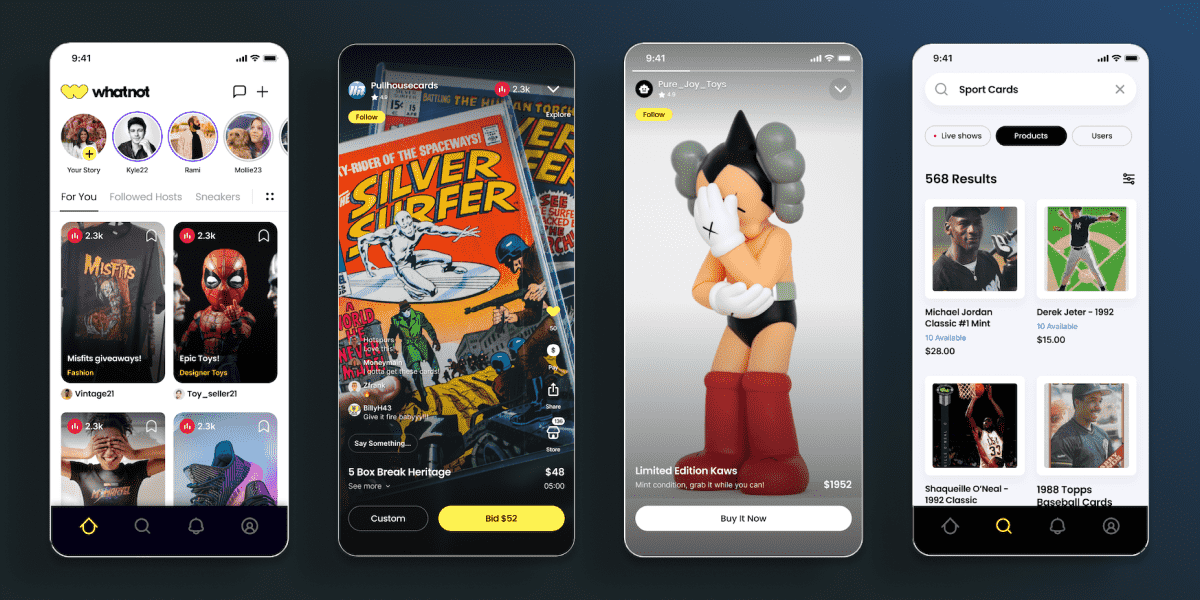
Whatnot is a livestream marketplace where sellers auction products in real time while interacting directly with viewers. Instead of relying on traditional product listings and search visibility, sellers build audiences through livestreams, giveaways, community engagement, and fast-paced auctions.
The platform exploded in popularity largely because of collectible communities. Trading cards, sneakers, Funko Pops, comics, and vintage fashion sellers quickly realised that live auctions create urgency that traditional marketplaces often cannot replicate.
Many buyers join Whatnot streams not only to purchase products but also for entertainment. This completely changes the shopping experience. Instead of quietly browsing listings alone, buyers participate in live chats, react to auctions, compete with other bidders, and interact directly with sellers during streams.
For resellers who enjoy being on camera and building a loyal audience, Whatnot can become a very powerful sales channel.
eBay Remains One of the Biggest Online Selling Platforms in the World
While Whatnot focuses on live selling, eBay remains one of the most established and searchable online marketplaces globally. The platform allows sellers to create listings that buyers can discover through search, auctions, or direct browsing.
Unlike Whatnot, eBay is not focused around personalities or livestreams. Instead, the platform works best through:
- searchable listings,
- strong product demand,
- competitive pricing,
- and long-term visibility.
This makes eBay attractive for sellers who prefer a more traditional approach to online reselling.
One of eBay’s biggest strengths is the sheer variety of categories that perform well on the platform. Sellers can list:
- electronics,
- fashion,
- tools,
- appliances,
- furniture,
- collectibles,
- refurbished products,
- gaming consoles,
- and much more.
Because eBay has such a massive international audience, many products continue generating views for weeks or even months after being listed.
What Sells Best on Whatnot?
Certain categories naturally perform much better on livestream marketplaces because buyers enjoy the excitement of bidding in real time. Products that create hype, collector interest, or urgency tend to thrive on Whatnot.
Some of the top-performing categories include:
- Pokémon cards,
- sports cards,
- sneakers,
- luxury accessories,
- vintage clothing,
- comics,
- Funko Pops,
- and limited-edition collectibles.
Many of these products benefit from live auctions because buyers become emotionally invested during streams. A rare trading card or collectible figure often attracts significantly more attention when viewers compete against each other live compared to simply browsing static listings.
Why Live Auctions Can Move Inventory Faster
One of the biggest advantages of Whatnot is speed. During successful streams, sellers can sometimes move dozens or even hundreds of products within a single session.
This happens because livestream selling creates:
- urgency,
- competition,
- entertainment,
- and fear of missing out.
Buyers feel pressure to act quickly before someone else wins the auction. This environment works especially well for collectibles and community-driven niches.
What Products Perform Better on eBay?
While Whatnot performs strongly for hype-driven products, eBay usually works much better for evergreen inventory and practical products that buyers actively search for.
Some of the strongest eBay categories include:
- electronics,
- refurbished tech,
- video games,
- car parts,
- tools,
- designer fashion,
- household appliances,
- and niche collectibles.
Unlike livestream marketplaces, products on eBay can continue generating visibility long after being uploaded. This gives sellers access to buyers searching for very specific items over time.
For example, someone searching for a replacement camera lens or refurbished laptop is far more likely to use eBay than join a livestream auction platform.
This makes eBay especially useful for sellers who want:
- stable long-term sales,
- worldwide reach,
- and searchable inventory visibility.
Whatnot vs eBay Fees - Which Platform Is Cheaper?
Fees are one of the biggest concerns for online resellers, especially for people selling high volumes of inventory.
Whatnot Fees
Whatnot generally charges:
- selling commission fees,
- and payment processing fees.
The exact percentages can vary depending on seller agreements and categories.
eBay Fees
eBay sellers may face:
- listing fees,
- final value fees,
- promoted listing costs,
- and payment processing fees.
While eBay fees can sometimes feel high, many sellers accept them because the platform offers access to one of the largest buyer audiences in the world.
Which Platform Offers Better Profit Margins?
The answer depends heavily on:
- the category,
- the speed of sales,
- and the type of buyers.
Some collectible sellers generate faster turnover on Whatnot, while sellers with higher-ticket electronics or practical inventory may achieve stronger profits on eBay.

Which Platform Is Better for Beginners?
For many beginners, eBay is usually easier to start with because sellers do not need to build a personal audience or host livestreams in order to generate sales.
New sellers can simply:
- upload listings,
- learn pricing,
- improve photos,
- and gradually scale over time.
Whatnot can feel much more demanding because success often depends on:
- livestream confidence,
- audience interaction,
- consistency,
- and personality.
Some people thrive in that environment, while others prefer the more passive structure of traditional marketplaces.
Can You Sell on Both Whatnot and eBay?
Yes, and many experienced resellers already do exactly that.
Some sellers use Whatnot to:
- move inventory quickly,
- build community,
- and create hype around products.
At the same time, they use eBay for:
- long-term visibility,
- international buyers,
- and evergreen inventory.
This combination allows resellers to diversify their sales channels instead of relying entirely on one marketplace.
.png)
Why Many Resellers Eventually Start Crosslisting
Once sellers begin using multiple marketplaces, inventory management quickly becomes more complicated. Uploading the same listings manually across several platforms takes time and increases the risk of double-selling.
This is why many resellers now use crosslisting software like Zipsale to manage inventory more efficiently across different marketplaces.
Crosslisting tools help sellers:
- publish listings faster,
- keep inventory synced,
- automatically delist sold items,
- and scale their reselling business more efficiently.
For resellers managing large amounts of inventory, this can save hours of manual work every week.
So, Which Platform Is Better - Whatnot or eBay?
There is no universal winner because both platforms serve very different types of sellers.
Whatnot works best for:
- livestream sellers,
- collectible niches,
- hype products,
- and community-driven selling.
eBay works best for:
- traditional online reselling,
- searchable inventory,
- broader categories,
- and long-term product visibility.
Many successful resellers eventually combine both platforms together instead of choosing only one.
Frequently Asked Questions About Whatnot vs eBay
Is Whatnot better than eBay for resellers?
It depends on what you sell. Whatnot performs especially well for collectibles and livestream auctions, while eBay works better for broader product categories and long-term visibility.
What sells best on Whatnot?
Trading cards, sneakers, luxury accessories, comics, collectibles, and vintage products are among the strongest categories on Whatnot.
Is eBay easier for beginners?
For many beginners, yes. eBay allows sellers to upload listings gradually without livestreaming or audience-building.
Can you make more money on Whatnot?
Some sellers generate very strong profits through successful livestream auctions, especially in collectible categories where buyers compete in real time.
Why do some resellers use both platforms?
Using both marketplaces allows sellers to combine fast inventory turnover from livestreams with long-term searchable visibility on eBay.
Is crosslisting worth it for online sellers?
For many resellers, yes. Crosslisting helps sellers increase visibility, manage inventory more efficiently, and reduce manual work across multiple marketplaces.
What happens if you add just one more marketplace?