Etsy vs Poshmark: Crosslisting Strategies for UK Resellers
Introduction
Selling second-hand and unique items online is more competitive than ever. UK resellers face a crucial decision: where to list their inventory for maximum sales and efficiency? In this guide, we’ll break down the differences between Etsy and Poshmark, explore integration with other platforms, and show how our crosslisting software, Zipsale, can help you save time, prevent overselling, and grow your business.
Section 1: Etsy vs Poshmark – What’s the Difference?
Etsy and Poshmark are both powerful marketplaces, but they appeal to very different audiences. Understanding these distinctions is the first step to building a successful multi-platform strategy.
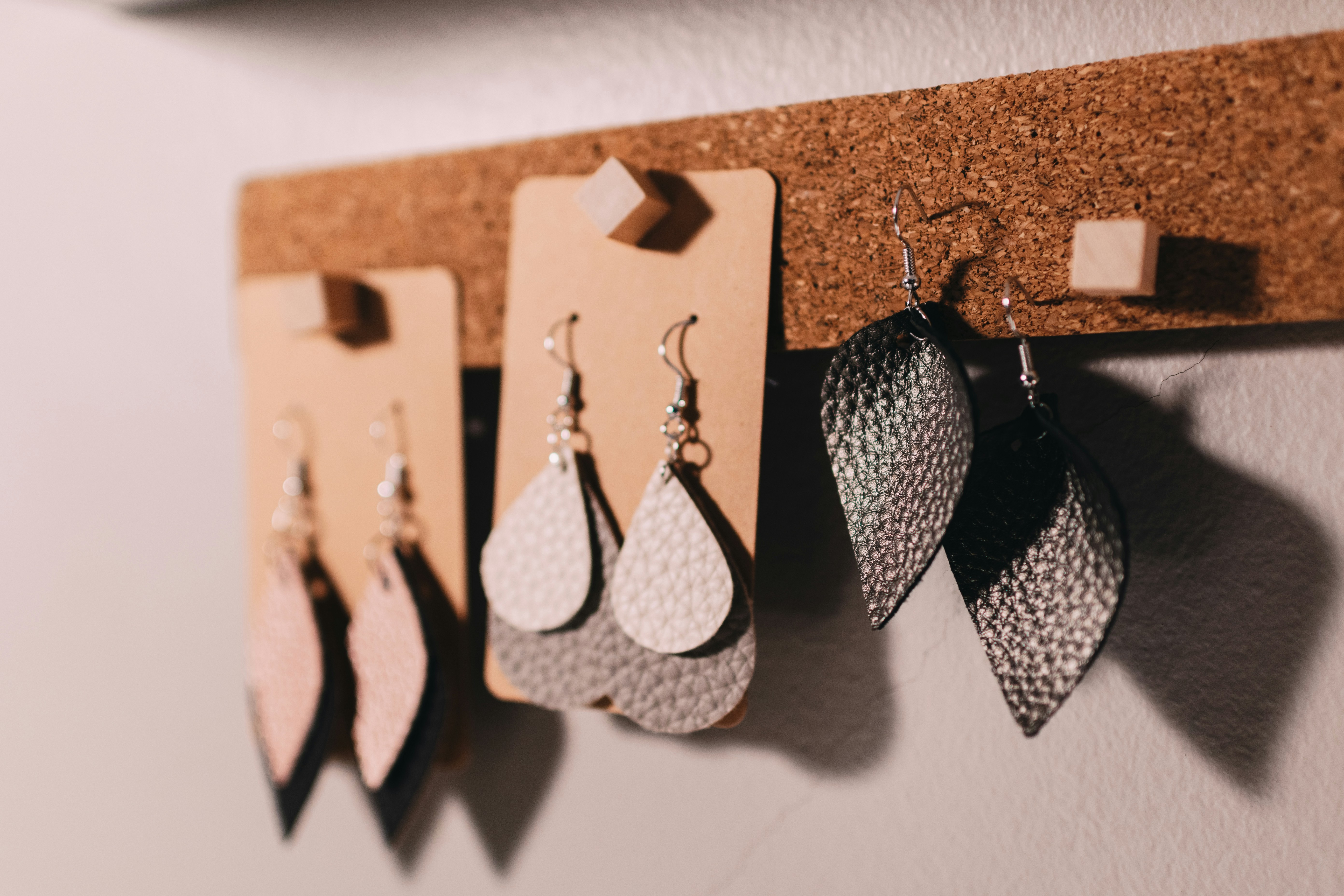
On Etsy, shoppers are looking for handmade jewellery, vintage clothing, art, craft supplies, and personalised gifts. It’s the go-to marketplace for unique and creative goods, and it has an established buyer base in the UK with GBP transactions and local shipping support.
Poshmark, on the other hand, has its roots in fashion. The platform is best known for women’s, men’s, and kids’ clothing, accessories, shoes, and luxury brands. While it hasn’t fully launched in the UK as of 2025, UK resellers can still reach international buyers in the US, Canada, and Australia through crosslisting tools. However, this comes with extra hurdles such as currency conversion, international shipping, and customs compliance.
Expert tip: If you list a handmade necklace on Poshmark, it won’t perform as well as it would on Etsy. Likewise, designer heels may get overlooked on Etsy but thrive on Poshmark. The key is matching your inventory to the right audience.
Special Focus: UK Seller Experience
- Etsy is fully established in the UK, supporting GBP transactions and local shipping options. UK sellers benefit from Etsy’s strong buyer base seeking unique, sustainable, and handmade goods.
- Poshmark is not yet fully launched in the UK (as of 2025). However, UK sellers can reach international buyers (US, Canada, Australia) using crosslisting tools. This brings challenges like currency conversion, shipping logistics, and customs compliance.
Section 2: Fees, Policies, and Regulations
Understanding the cost of doing business is vital for profitability. Both platforms have unique fee structures and compliance requirements.
Fee Structures
- Etsy: 16p listing fee, 6.5% transaction fee, 4% + 20p payment processing fee.
- Poshmark: Flat £2.95 fee for sales under $15, 20% for sales of $15 or more.
UK-Specific Regulations
- VAT: UK sellers must comply with VAT regulations.
- Consumer Protection: Adherence to Consumer Contracts Regulations (distance selling) is required.
- Product Safety: Especially important for children’s items and electronics.
- Business Registration: Required if sales exceed HMRC thresholds.
Special Focus: International Selling Challenges
Selling on US-centric platforms like Poshmark from the UK involves:
- Currency conversion and fluctuating exchange rates.
- International shipping logistics and customs paperwork.
- Managing returns and customer expectations across borders.
Resource: For more on UK e-commerce regulations, visit GOV.UK’s online and distance selling guide.
Section 3: Crosslisting - Maximizing Reach, Minimizing Risk
Crosslisting - listing the same item on multiple platforms - can triple your exposure and sales. But it comes with its own set of challenges.
Popular Platforms for Crosslisting
- Etsy
- Poshmark
- eBay
- Depop
- Shopify
- WooCommerce
Special Focus: Inventory Management & Overselling
The biggest risk when crosslisting is overselling — selling the same unique item twice on different platforms. Manual updates are time-consuming and error-prone, especially for one-off vintage or collectible items.
Best Practice: Automate inventory updates and delisting with crosslisting software like Zipsale. Our platform synchronizes your listings, automatically delists sold items, and keeps your inventory accurate across up to eight marketplaces.
Section 4: Tailoring Your Inventory and Listings
Each marketplace has its own buyer demographic and content style. Tailoring your approach increases your chances of making a sale.

Platform-Specific Tips
- Etsy: Focus on detailed descriptions, story-driven listings, and high-quality photos. Highlight sustainability and handmade aspects.
- Poshmark: Use trendy, branded, and luxury fashion. Engage with buyers through sharing, following, and attending Posh Parties.
Special Focus: Social Commerce and Engagement
Poshmark stands out for its social features - likes, shares, comments, and virtual events drive visibility. Etsy buyers are more search-driven but appreciate personal touches and direct communication.
Recent Trend: Sustainability and circular fashion are driving growth on all platforms. Buyers are seeking eco-friendly, secondhand, and upcycled options.
Section 5: Tools and Solutions for UK Resellers
The Problem
Managing listings, inventory, and sales across multiple platforms is time-consuming and risky. Manual processes lead to errors, overselling, and lost sales opportunities.
The Solution: Zipsale
Managing inventory across multiple platforms manually is time-consuming and risky. Mistakes lead to overselling, frustrated buyers, and lost revenue.
That’s why we built Zipsale - a crosslisting software designed with UK resellers in mind. With Zipsale, you can:
- List your products across eight or more marketplaces in just a few clicks.
- Automatically delist items once they’re sold to prevent overselling.
- Manage your inventory in one central place, saving hours every week.
- Stay compliant with VAT, consumer protection, and shipping requirements.
FAQ
Which is better, Poshmark or Etsy, for UK sellers?
For UK sellers, Etsy is generally better due to full UK support, GBP transactions, and established shipping options. Poshmark is ideal for fashion and luxury items but is less accessible unless you use crosslisting tools.
Can I sell on both Etsy and Poshmark at the same time?
Yes, and it’s a great way to maximize your reach. Use crosslisting software like Zipsale to manage listings and prevent overselling.
What about Etsy vs Poshmark vs Mercari?
Etsy is best for handmade and vintage, Poshmark for fashion and luxury, and Mercari for mid-range fashion and collectibles. Crosslisting lets you target all three audiences.
How do I prevent overselling when crosslisting?
Automate inventory updates and delisting with a tool like Zipsale. Manual updates are risky, especially for unique items.
Are there any UK-specific rules I need to know?
Yes. You must comply with VAT, consumer protection, and product safety regulations. Register as a business if you exceed HMRC thresholds.
What happens if you add just one more marketplace?